

Overview
-
Sectors Engineering and Utilities
-
Posted Jobs 0
Billing
Company Description
NHS: Belonging in White Corridors
Within the bustling halls of an NHS hospital in Birmingham, a young man named James Stokes carries himself with the measured poise of someone who has found his place. His smart shoes barely make a sound as he greets colleagues—some by name, others with the familiar currency of a “good morning.”

James wears his NHS lanyard not merely as an employee badge but as a declaration of belonging. It rests against a neatly presented outfit that betrays nothing of the challenging road that preceded his arrival.
What distinguishes James from many of his colleagues is not obvious to the casual observer. His demeanor discloses nothing of the fact that he was among the first recruits of the NHS Universal Family Programme—an initiative crafted intentionally for young people who have been through the care system.
“I found genuine support within the NHS structure,” James reflects, his voice steady but carrying undertones of feeling. His remark summarizes the core of a programme that seeks to reinvent how the vast healthcare system approaches care leavers—those often overlooked young people aged 16-25 who have emerged from the care system.
The figures tell a troubling story. Care leavers often face greater psychological challenges, financial instability, accommodation difficulties, and reduced scholarly attainment compared to their contemporaries. Underlying these impersonal figures are individual journeys of young people who have traversed a system that, despite good efforts, often falls short in delivering the nurturing environment that shapes most young lives.
The NHS Universal Family Programme, established in January 2023 following NHS England’s pledge to the Care Leaver Covenant, signifies a profound shift in institutional thinking. At its heart, it acknowledges that the complete state and civil society should function as a “collective parent” for those who haven’t known the stability of a traditional family setting.
Ten pathfinder integrated care boards across England have led the way, establishing frameworks that reconceptualize how the NHS—one of Europe’s largest employers—can extend opportunities to care leavers.
The Programme is thorough in its strategy, beginning with comprehensive audits of existing practices, creating oversight mechanisms, and obtaining senior buy-in. It recognizes that effective inclusion requires more than lofty goals—it demands tangible actions.
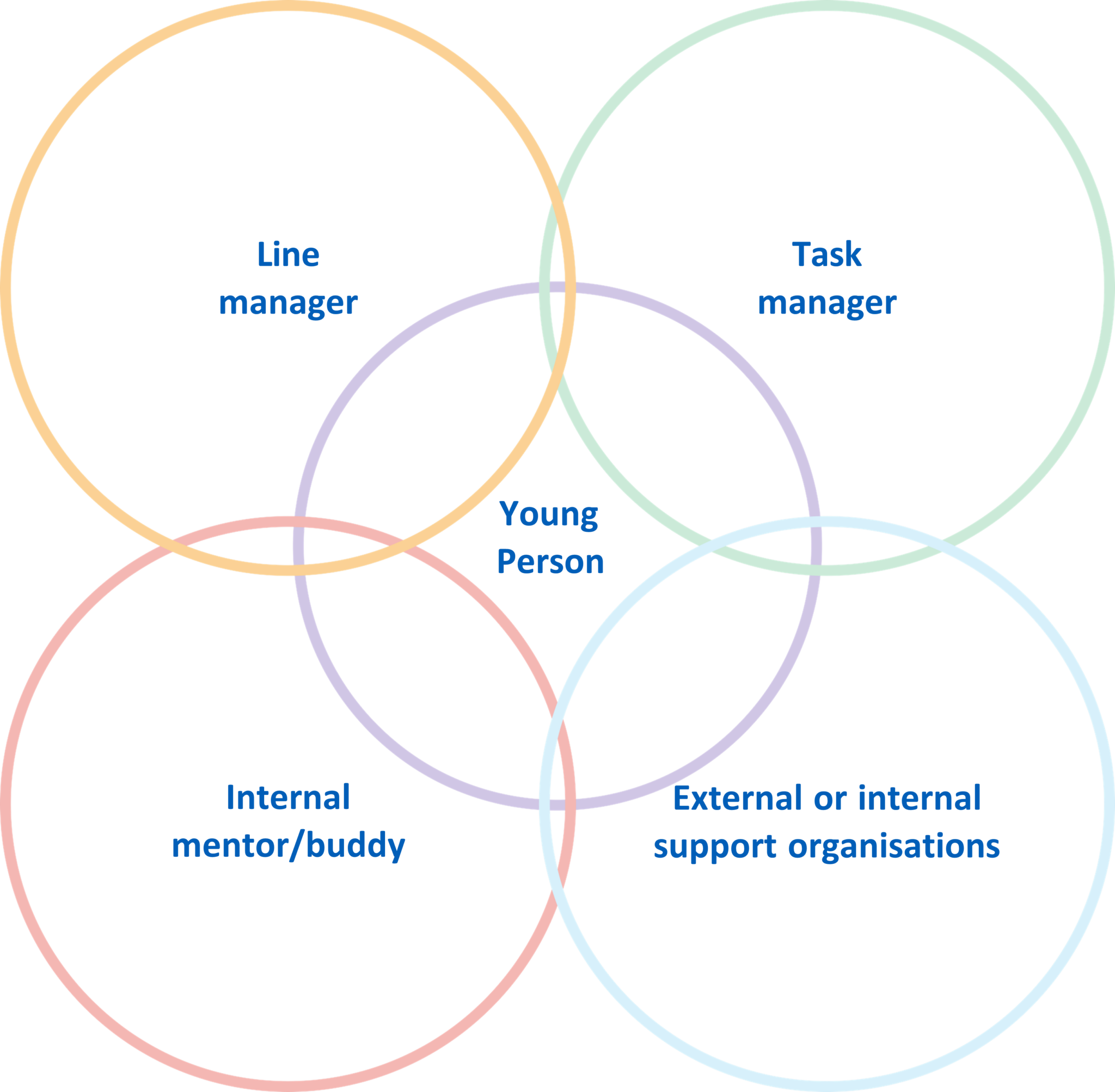
In NHS Birmingham and Solihull ICB, where James started his career, they’ve established a regular internal communication network with representatives who can deliver support, advice, and guidance on wellbeing, HR matters, recruitment, and equality, diversity, and inclusion.
The traditional NHS recruitment process—rigid and possibly overwhelming—has been intentionally adjusted. Job advertisements now focus on personal qualities rather than extensive qualifications. Application procedures have been reimagined to consider the unique challenges care leavers might face—from not having work-related contacts to struggling with internet access.
Perhaps most significantly, the Programme recognizes that starting a job can create specific difficulties for care leavers who may be handling self-sufficiency without the backup of parental assistance. Matters like commuting fees, personal documentation, and banking arrangements—considered standard by many—can become significant barriers.
The elegance of the Programme lies in its meticulous consideration—from outlining compensation information to helping with commuting costs until that crucial first salary payment. Even seemingly minor aspects like coffee breaks and professional behavior are deliberately addressed.
For James, whose NHS journey has “changed” his life, the Programme delivered more than employment. It provided him a sense of belonging—that elusive quality that emerges when someone feels valued not despite their past but because their distinct perspective enriches the workplace.
“Working for the NHS isn’t just about doctors and nurses,” James notes, his gaze showing the quiet pride of someone who has discovered belonging. “It’s about a family of different jobs and roles, a family of people who genuinely care.”
The NHS Universal Family Programme exemplifies more than an job scheme. It exists as a powerful statement that systems can change to welcome those who have navigated different paths. In doing so, they not only transform individual lives but improve their services through the distinct viewpoints that care leavers bring to the table.
As James moves through the hospital, his involvement quietly demonstrates that with the right support, care leavers can thrive in environments once considered beyond reach. The embrace that the NHS has extended through this Programme signifies not charity but acknowledgment of hidden abilities and the profound truth that everyone deserves a family that champions their success.